


It’s time to say goodbye. It’s time to let go of old things and explore new paths. Paths that I didn’t know before or only knew from reading books. It’s time for transformation: for the transformation of my presentation training sessions.
A powerful first impulse came in August from Axel Rachow: At the BDVT meeting, Axel presented us “Games in Training” (in German), with 90 minutes of impressive ideas and training concepts.
For me, Axel, like Barbara Messer, is one of the masters of his discipline, a true role model for training. And because I am keen to advance my own training courses and make them even better, despite all the extremely positive feedback I have received, I spent four memorable days in a “Master Class in the Art of Transformation” (in German) with Barbara and five colleagues.
There is no need for introductions; the “end at the beginning” with a brief review adds food for thought: not consuming, but actively contributing to change is a completely different approach than the endless refrain of “My name is …, I am a professional in …, I have the following hobbies … and I expect …”. And we got to know each other even better during the breaks, at breakfast and dinner (including carrots: see Barbara’s recent video), on walks, and of course while working together.
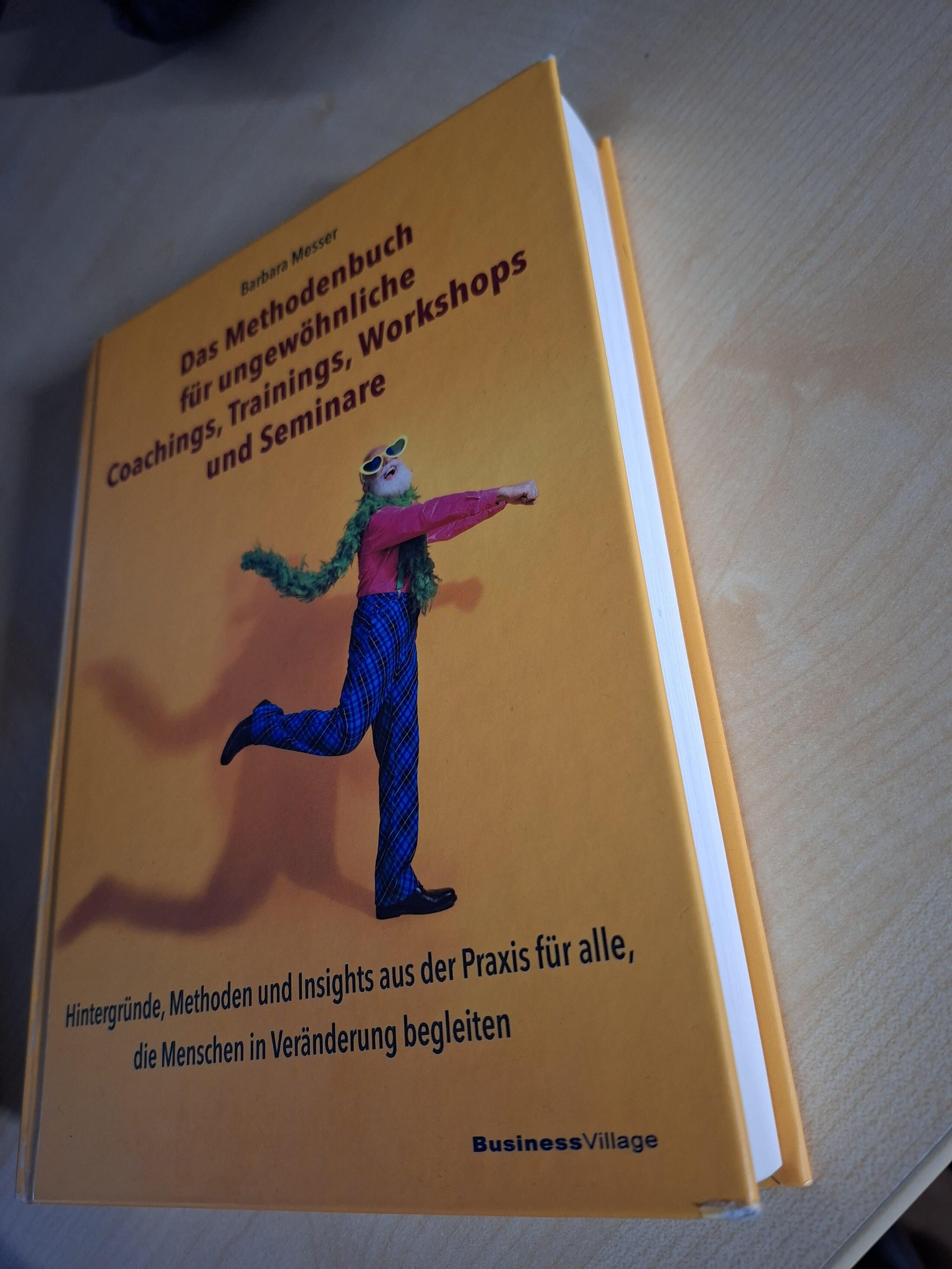
Whether we write in our “Dear Diary” or “At the Table” and sometimes read our text aloud: “The magic of this method lies in the fact that short stories often reveal big issues.” Barbara’s recently published “Book for Unusual Coaching, Training, Workshops, and Seminars” (“Das Methodenbuch für ungewöhnliche Coachings, Trainings, Workshops und Seminare”) alone provides us with a wealth of ideas and inspiration. The fact that we get to experience it in a live session is unique.
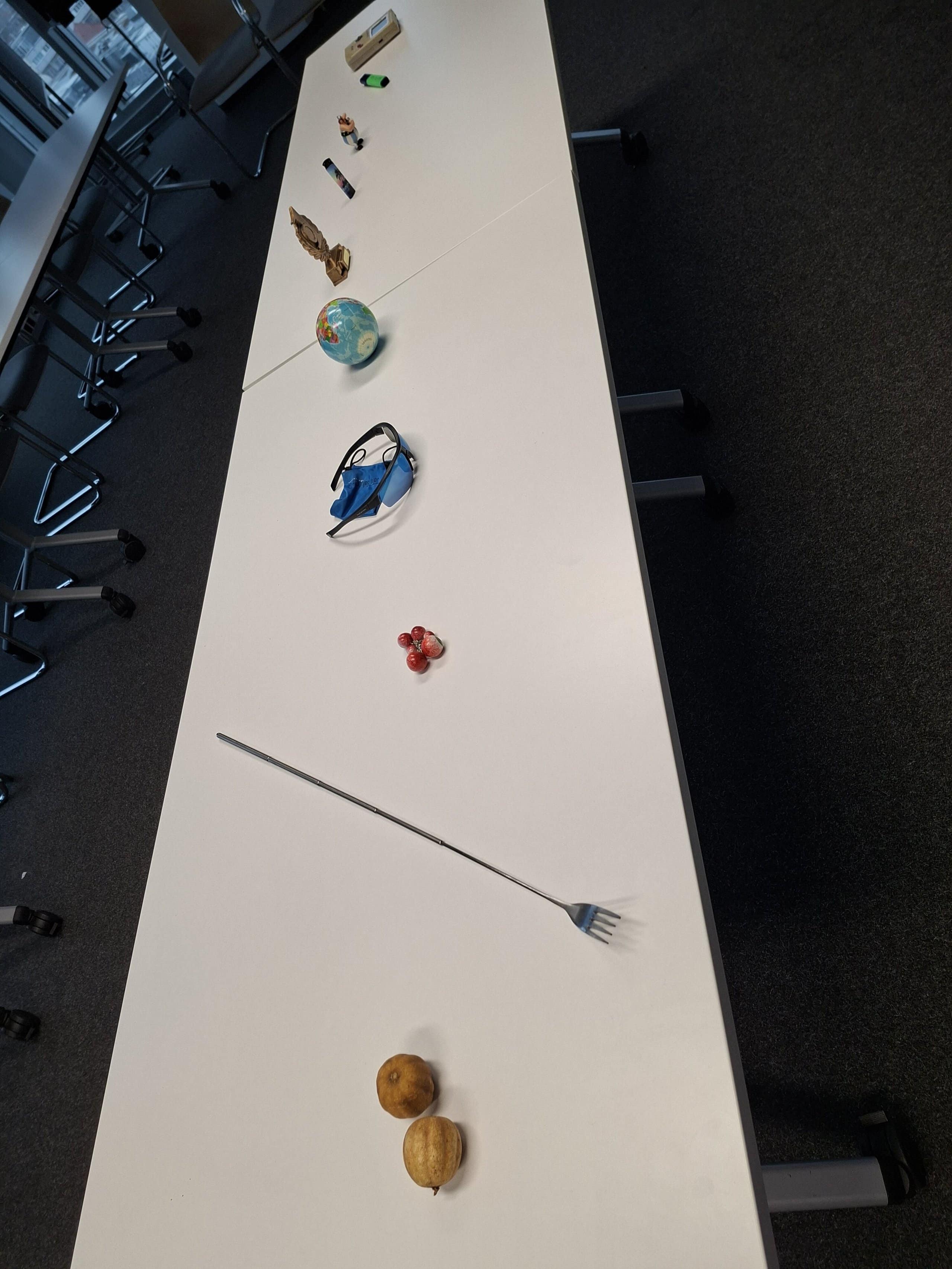
In my future training sessions, I will use props more often: the vernissage adds variety and creativity. I will continue to work with PowerPoint, yet the vernissage allows for much more direct, creative, and personal presentations with objects on display. And contrary to my previous assumption, it does not necessarily require large items to transport – I often travel by train to training sessions, so I like to keep things minimalistic while traveling.
The next highlight is “The TV Show”: With a little preparation, we can convey our own content, such as our current research project, in an unusual format. I already envision my Science Pitch in a three-minute format for the public, or a short expert interview with an outside broadcast, as we know it from TV news, or even unusual formats such as “Please call in!” or “Who Wants to Be a Millionaire?” And these are just a few of the almost endless possibilities for simulating a TV show, thus strengthening stage presence, gaining presentation skills, and incorporating personal storytelling.
Speaking of storytelling: Should I present the Hero’s Journey again using PowerPoint? Barbara illustrates Joseph Campbell’s Hero’s Journey with text, images, objects, and a rope that symbolizes the “threshold” into the unknown. In addition, she provides numerous practical examples and relates them to the participants’ topics.
What we learn and apply here in practice also has a theoretical foundation, which we are presented with in easily digestible chunks throughout the session: This is about the levels of change, especially our identity, which takes on particular significance in seminars. We also reflect our learning biography and important lessons from our lives. It results in a poster presentation that we develop within an hour and then present.
The work with the mask is also impressive: dressed in black from head to toe, without distraction, and wearing only a mask on our heads, posture and eye contact are even more impactful than in everyday or business dress.
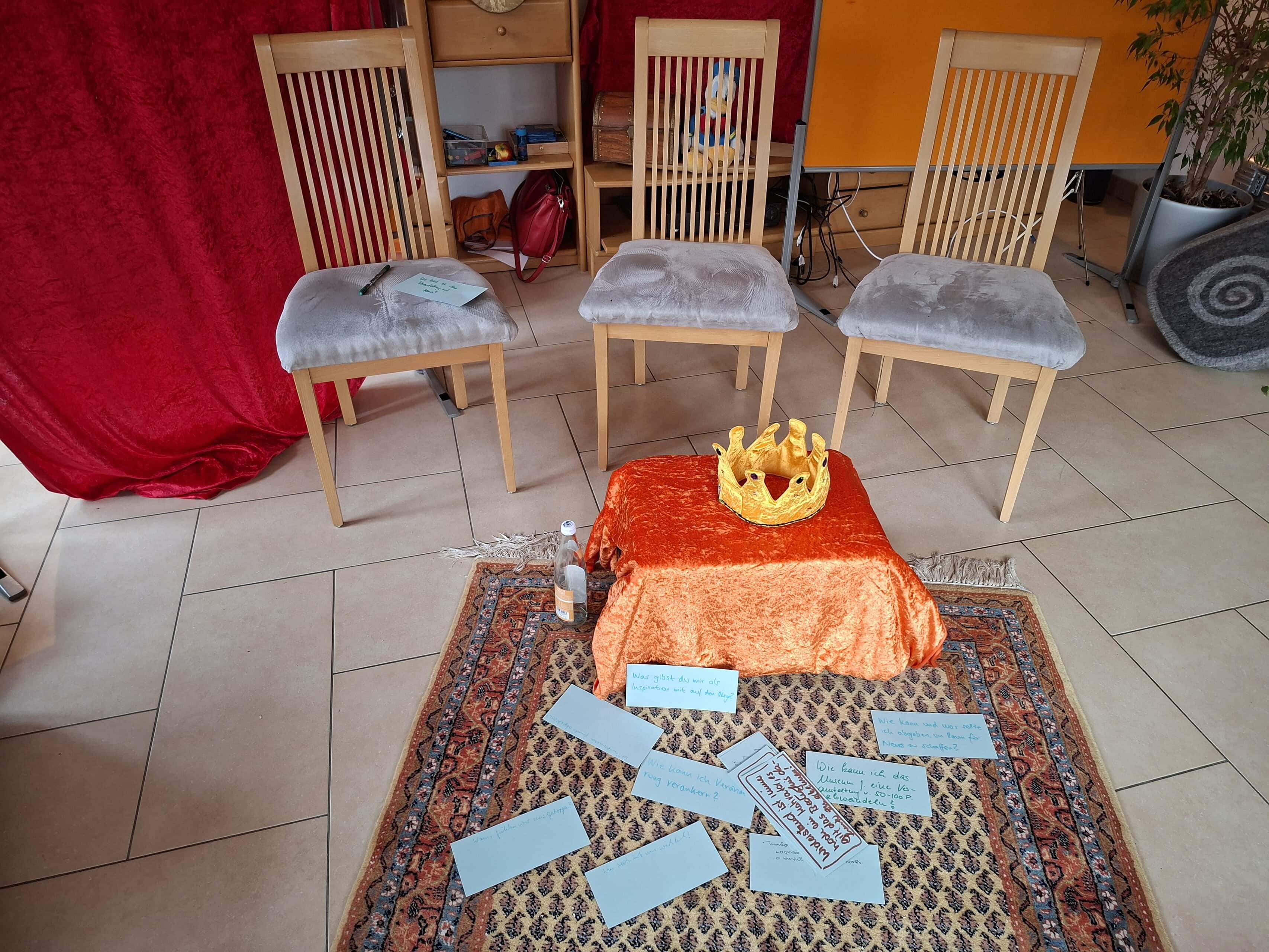
Of course, I will continue to stage my “Science Out of the Blackbox” event. In addition, I will use more props to provide an optimal insight into science. I do not have to answer all the participants’ questions on my own: the “Sun King” exercise encourages more interaction, actively involves all participants, and stimulates them to think for themselves. All questions are noted down in keywords or short sentences, mixed up, and read aloud by one person. Two other participants answer them, while one remains at the front as the “Sun King” and introduces the next question.
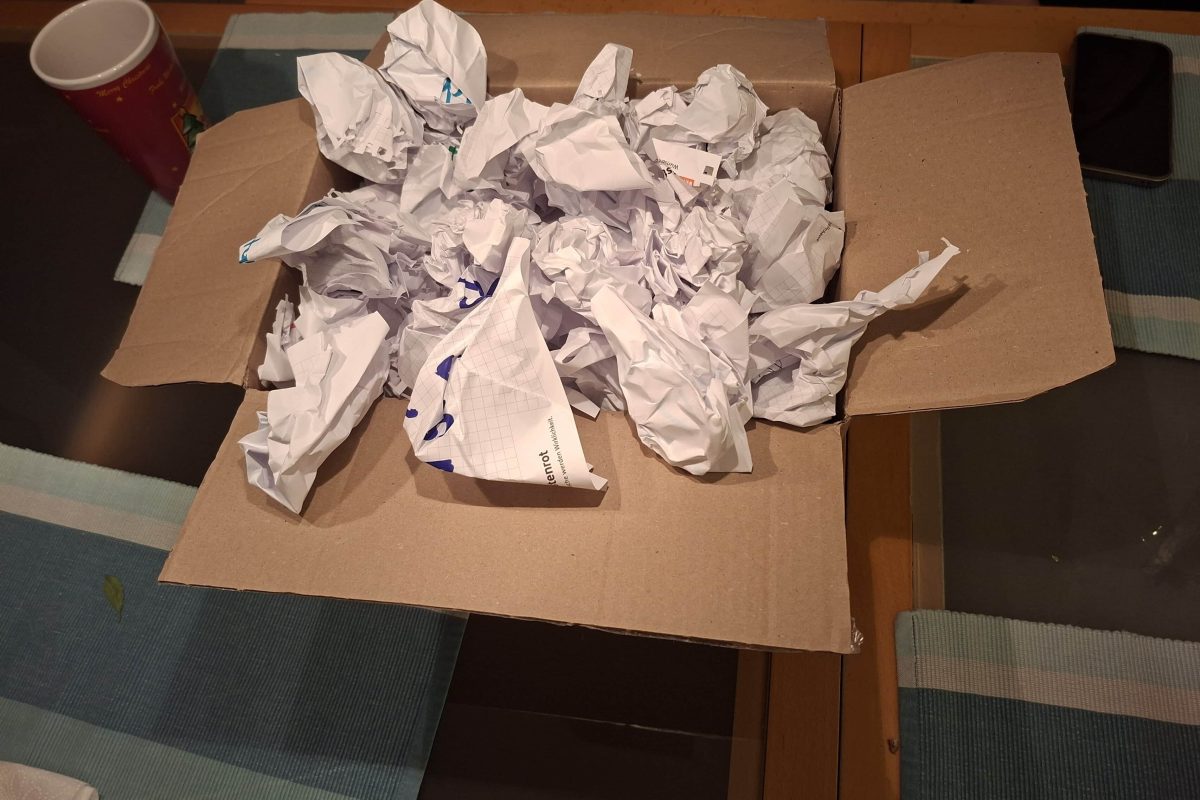
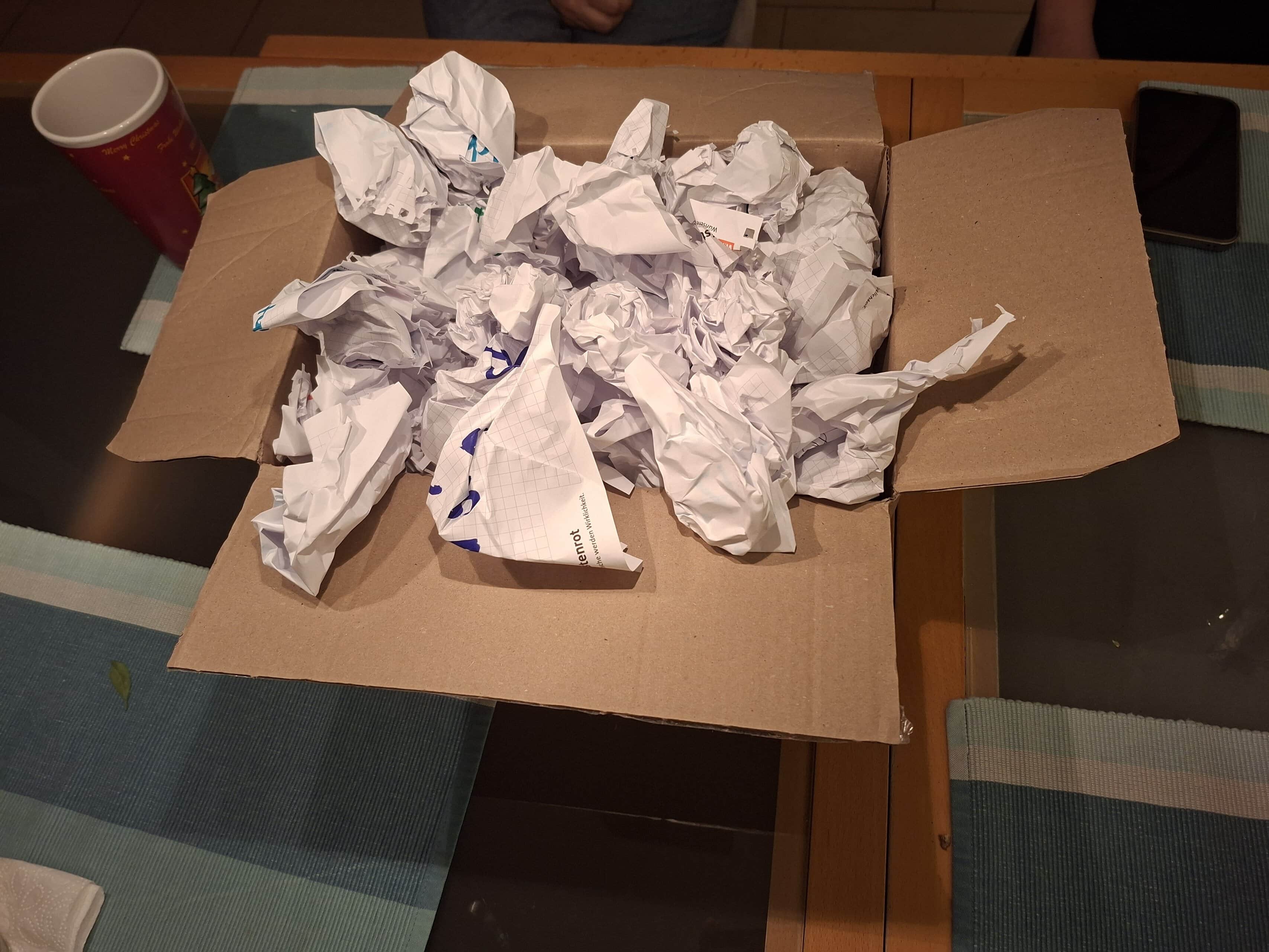
And what is the funeral all about? We write down our old beliefs on paper, present them to the group, crumple up the paper, and throw the corresponding beliefs into a box in a symbolic act. This allows us to let go of them and make room for something new. In our setting, there is even a ceremony accompanied by drum rolls, in which we throw the crumpled pieces of paper into the fire and burn them.
These were four intense days that will remain in my memory for a long time to come, but which truly lived up to their name, “Master Class Transformation.” It was much more than just factually conveying content. I myself can hardly wait to prepare and conduct my next training sessions and gradually convey previous training content in a completely different way than before.
My special thanks go to Barbara Messer and, of course, to everyone who participated so actively in this. It was a really special time with you all!